
Booking is simple. Send your name, number and a short message, and someone will get back to you about Chimney Crown Services New Westminster
It is easy to think of a chimney as a fireplace accessory, but it is also part of the roof, the walls and the frame of the house. When one piece fails, water and heat can reach places they were never meant to go. For homeowners in New Westminster who typed “chimney crown services” into a search bar, the answers on this page explain chimney crown repair in everyday language, from the first warning signs to what happens once the work is done.

A chimney’s parts fall into three groups: the weatherproofing outside, the flue liner inside and the working parts at the bottom. Weatherproofing means the cap, the crown, the flashing and the face of the bricks and mortar. The liner is the channel that handles heat and corrosive exhaust. Down at hearth level are the pieces people actually touch, such as the damper handle, the firebox walls and the ash dump door. On a prefab system, a framed chase and its sheet metal top replace the brick. When we diagnose a problem, we trace it to one of these groups first, because that decides what the fix looks like.
A chimney crown is the slab, usually concrete or mortar, that covers the top of the brickwork around the flue, while a chimney cap is the metal cover that sits over the flue opening itself. The crown seals the masonry and sheds water away from the bricks. The cap keeps rain, animals, leaves and sparks from entering or leaving the flue. Most masonry chimneys need both, because they protect different things. If the crown is cracked, a new cap will not stop water soaking into the bricks, and if the cap is missing, a sound crown will not keep rain out of the flue.
Stains, debris and stiff moving parts inside the house are usually the first signs, long before anything looks wrong from the yard. A water mark on the ceiling beside the chimney, a musty smell when it rains, flakes of tile or mortar in the firebox and a damper that has gone stiff all point to something above. Outside, white chalky deposits on brick tell us water is moving through the masonry, and dark streaks below the cap or chase cover suggest rust. Smoke that hangs at the fireplace opening points to a draft problem. We trace each clue back to its source before suggesting any repair.
Use binoculars or a phone camera zoomed in from a safe spot in the yard or at a window. Look for cracks across the top surface, chunks missing from the edges, dark staining or white deposits on the top courses of brick and moss or plants growing on the crown. Pieces of concrete in the gutter or on the roof below the chimney are another clue. Inside, rust on the damper or water in the firebox can point to the crown as well. Homeowners who start searching for “chimney crown services” after spotting any of these should stay off the roof and let a technician confirm the damage.
A cracked chimney crown is repaired by sealing it when the cracks are small or by rebuilding it when the crown is broken, crumbling or badly shaped. Hairline cracks can be cleaned and covered with a flexible crown sealant that bridges small gaps and sheds water. A crown that is loose, has pieces missing or was built flat without any overhang is usually removed and replaced with a new, sloped crown that extends past the brick so water drips clear. A small gap is often left around the flue tile and filled with a flexible material, so the tile can expand with heat.

A chimney repair visit normally starts with an inspection to confirm the problem and check for anything related. The technician protects the area around the fireplace and, for exterior work, sets up ladders or roof anchors. Then the damaged part is removed or prepared, whether that means grinding out mortar, cutting away old sealant, unbolting a cap or opening a damper assembly. New materials go in, and the work is checked for fit and weathertightness. At the end you should see the finished work or photos of it and hear about anything else that turned up along the way.
A common guideline is to have a chimney inspected once a year, and many homeowners schedule it before the colder months when the fireplace sees more use. Yearly checks catch small problems such as a loosening cap, a new crack in the crown or a worn mortar joint before they let water in. It also makes sense to have the chimney looked at after a major storm, a chimney fire, a roof replacement or any change of insert, stove or appliance. Chimneys that are rarely used still need checking, because weather damages them whether or not you light fires.
Many companies apply a flexible crown coating after repairs, and it is often a good idea. The coating bridges very small cracks as the crown expands and contracts with temperature changes, and it slows water absorption into the concrete. New crowns may need to cure before a coating goes on, so follow the timing your contractor gives. Coatings wear over time, so a quick check during the yearly inspection tells you when a fresh layer is due. Sealing does not fix a crown that is badly shaped or broken, which is why good chimney crown repair starts with the slab itself.
The repairs we make hold up longest when the rest of the chimney system is looked after too. That means a cap that stays in place with clear mesh, a crown kept free of leaves and moss, flashing left alone by anyone doing roof work and regular sweeping if you burn wood, because creosote and moisture attack the inside of the flue. We tell homeowners exactly how long to wait before the first fire after masonry work. After that, a glance at the chimney from the yard after big storms and a professional look once a year usually keeps surprises to a minimum.

Asking for a quote does not commit you to anything. We explain what chimney crown repair would include for your home, what affects the price and how long it should take, then leave the decision with you. Ask Chimney Sweep New Westminster for a quote when you are ready.
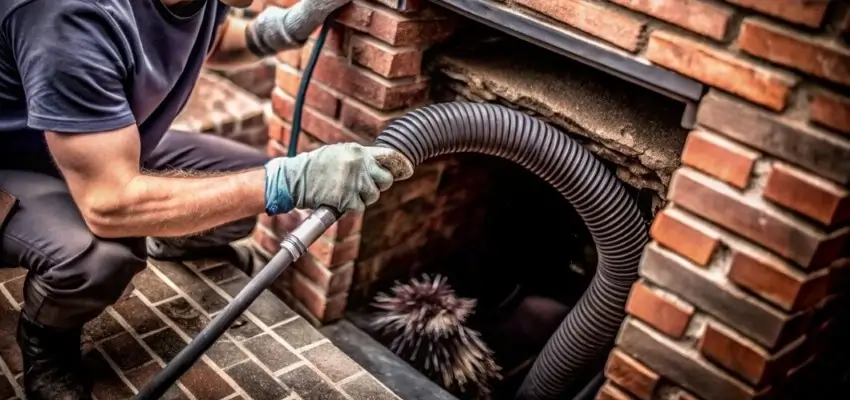
Less smoky smell, steadier flames: Chimney Cleaning around New Westminster
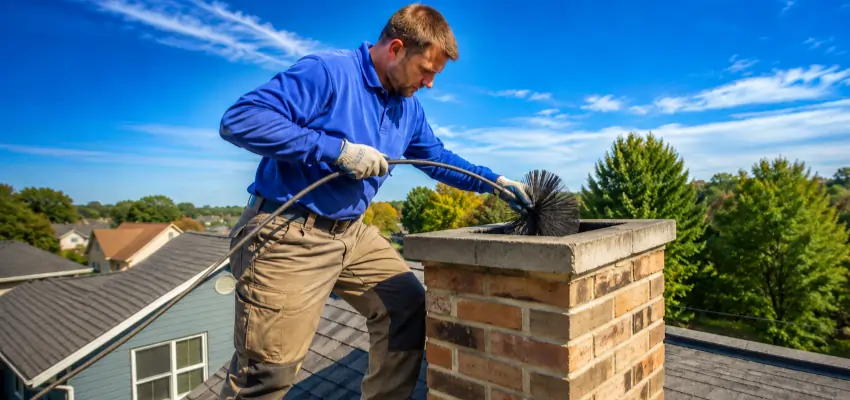
Your New Westminster fireplace, swept and checked: Chimney Sweep
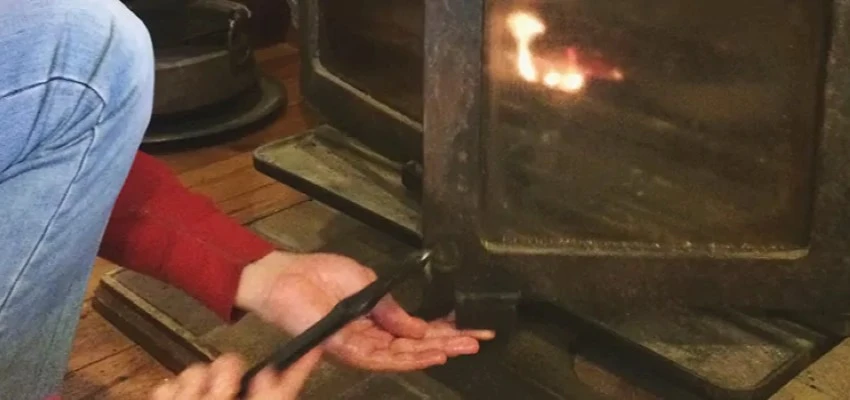
Swept and checked: Chimney Sweep Services in New Westminster
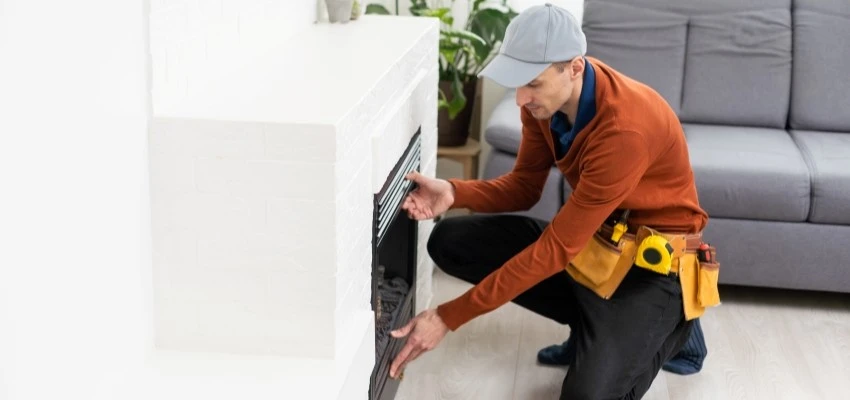
Wood units, stoves and inserts: Fireplace Experts serving New Westminster
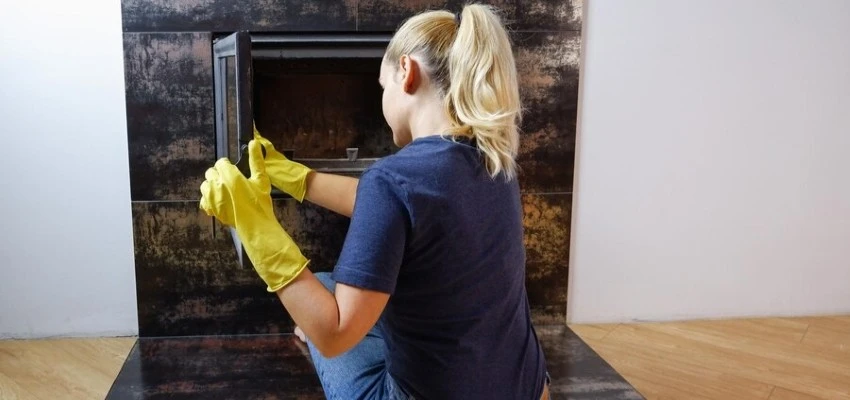
Fireplace smell at startup? Gas Fireplace Cleaning in New Westminster
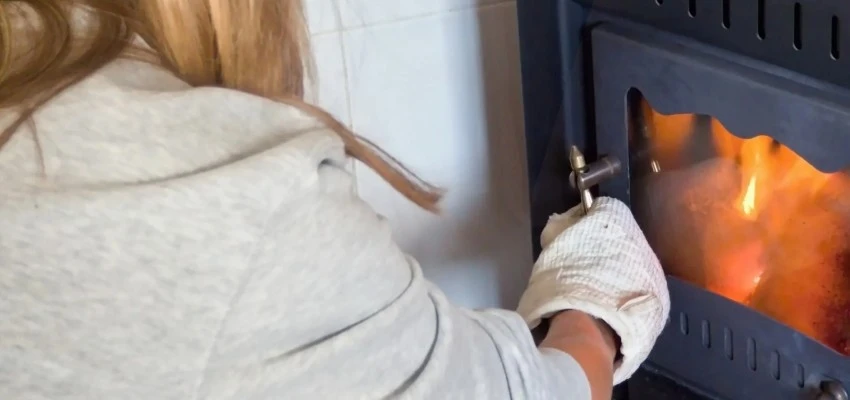
Slow to light? Gas Fireplace Maintenance near New Westminster

