
Booking is simple. Send your name, number and a short message, and someone will get back to you about Chimney Cover Replacement New Westminster
A chimney stands out in the open all year, taking rain, wind, sun and, in many places, hard freezes with no shelter at all. Sooner or later something on it needs attention, whether that is a loose cap, a tired mortar joint or a part inside the flue. If you searched for “chimney cover replacement”, this page gathers the questions homeowners in New Westminster ask most often about chimney cover installation, answered plainly so you can judge what your own chimney needs and what can wait.

It depends on the damage, so the safe default is to hold off until someone has looked at it. Cosmetic problems on the outside, such as a stained brick face, rarely affect how a fireplace works. Damage inside the flue, a cracked liner, a damper stuck shut or a blocked vent is different, because smoke and hot gases may not leave the house the way they should. If you notice smoke spilling into the room, a strong smell or soot where there was none before, stop using the fireplace. Keep working carbon monoxide alarms on every level of the home either way.
People use the term for a few different parts, so it helps to be specific. On a masonry chimney, a cover usually means the cap over one flue or a full-width cover that shelters the whole top, crown included. On a factory-built chimney, it often means the chase cover, the metal top of the framed box around the flue. All three keep rain and debris out, but they are sized and installed differently. When you ask about “chimney cover replacement”, a photo of the top of the chimney from the yard lets the company confirm which part you mean before anything is ordered.
The most common signs show up as water, debris or poor performance. Watch for:
Outside, look for white staining on the bricks, gaps in mortar joints and a cap or flashing that looks loose. Any one of these is worth a closer look by someone who can reach the chimney safely.
A chimney cap should be replaced when it is rusted through, bent, loose or missing pieces, or when its mesh is torn. Signs from inside the house include rain or debris falling into the firebox, birds or animals in the flue and a rusty damper. From the ground you may see a cap that sits crooked, rust streaks running down the crown or no cap at all after a windstorm. Galvanized caps tend to rust sooner than stainless steel or copper ones. A cap whose mesh is only clogged with soot may just need cleaning, but damaged metal should be replaced.
Chimney caps come in a few main materials and styles. Stainless steel is a common choice because it resists rust for many years; copper looks distinctive and also lasts a long time; galvanized or painted steel costs less up front but tends to rust sooner. Single-flue caps fit over one flue tile, while multi-flue or full-width caps cover the whole top of the chimney. Mesh size matters too, since very fine screens clog faster. A new cap is measured to the flue or crown and fastened securely so wind cannot lift it, which is why careful measuring comes before ordering.

The cost of chimney repair depends mostly on the part being fixed, how much damage there is and how hard the chimney is to reach. A tall chimney on a steep roof needs more equipment and time than a short one on a gentle slope. Materials vary too: stainless steel, copper and custom-sized parts cost more than standard ones, and masonry work depends on how many joints or bricks are involved. Hidden damage found once work begins, such as rotted framing under a chase cover, can add to the total. A written quote that spells out the scope makes comparisons easier.
For the first few storms, check the places where water used to show up: the ceiling near the chimney, the firebox floor, the damper and the siding below a chase. They should stay dry. From the yard, the cover should look level and tight, without gaps along the edges. Listen for any rattle on windy days, which suggests a loose fastener. If you burn wood, have the mesh looked at during the yearly sweep so it does not clog. Homeowners who just finished a “chimney cover replacement” project should keep the receipt with the material and size noted for future reference.
The questions that matter most are about cause, scope and surprises, and any capable chimney company can answer them in plain words. Cause: why is this happening, and how do you know? Scope: which parts are included, which materials, and is the chimney top part of the job? Surprises: what happens if rotten framing or a cracked flue tile turns up halfway through? It is also fair to ask who will be on your roof, how long new mortar needs before a fire and how the site will be left. We welcome these questions, because they lead to fewer misunderstandings later.
A local company is often the practical choice because it knows the housing styles, roof types and weather your chimney deals with. Builders in the same area often used similar chimney designs, so a nearby crew may already know where yours is likely to fail. Local service also makes it easier to schedule follow-up visits, check a repair after the first big storm or answer a question months later. Before booking, confirm the company works in your area with its own crew, and ask how it handles return visits if something needs adjusting.

Kids, pets and work schedules all matter when someone visits your home. Let us know what to work around and we will plan the appointment to match. Choose a time for chimney cover installation anywhere in New Westminster.
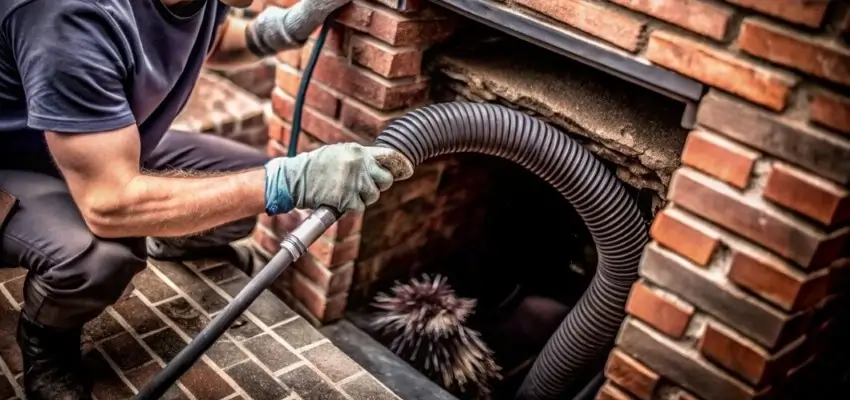
Less smoky smell, steadier flames: Chimney Cleaning around New Westminster

Your New Westminster fireplace, swept and checked: Chimney Sweep
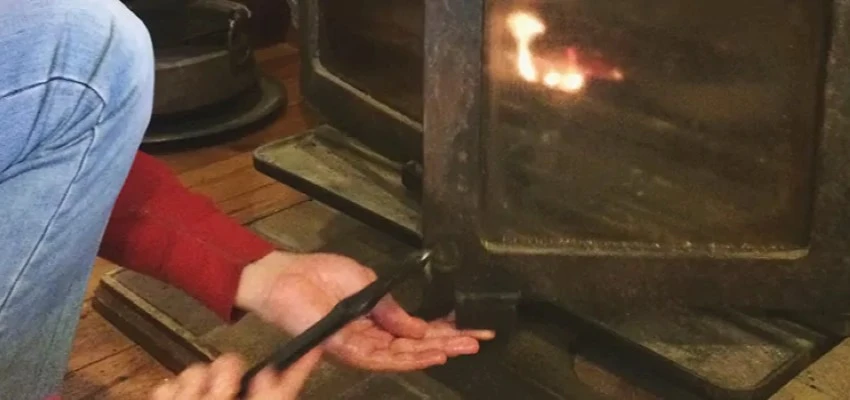
Swept and checked: Chimney Sweep Services in New Westminster
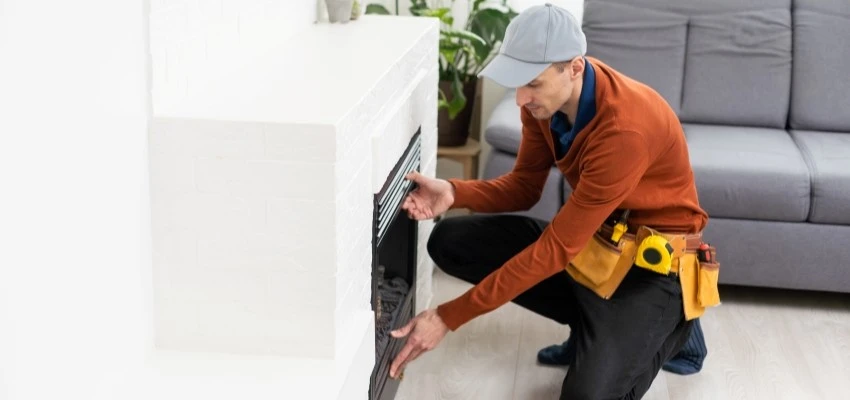
Wood units, stoves and inserts: Fireplace Experts serving New Westminster
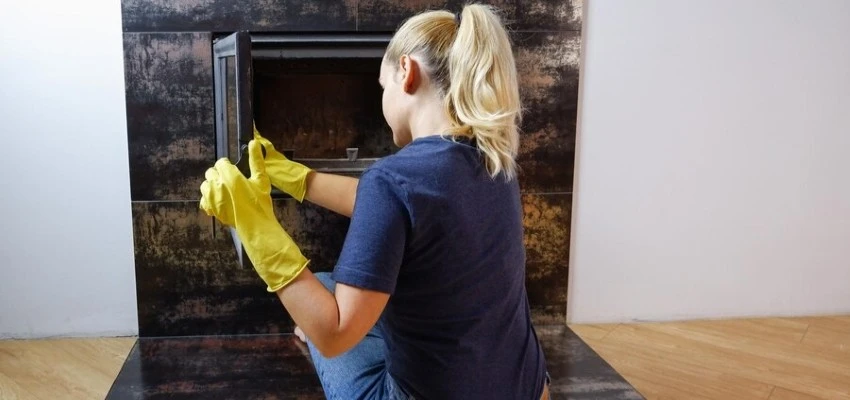
Fireplace smell at startup? Gas Fireplace Cleaning in New Westminster
Slow to light? Gas Fireplace Maintenance near New Westminster

