
Booking is simple. Send your name, number and a short message, and someone will get back to you about Chimney Blockage Removal New Westminster
Chimney work is one of those services where it pays to understand the basics before anyone quotes you a price. A little background makes every conversation with a technician easier and every recommendation easier to weigh. This page offers that background for readers in New Westminster who searched for “chimney blockage removal”, with plain explanations of chimney blockage clearing and the reasoning behind the advice you are likely to hear.

Creosote is condensed wood smoke, and its flammability is the main reason chimney sweeping exists. Smoke carries unburned particles and vapor, and when it meets a cooler surface those compounds stick. We find the heaviest deposits where gases slow down or lose heat quickly: the smoke chamber just above the damper, the bends in a stovepipe and the upper section of chimneys built on an exterior wall. That residue is fuel sitting inside a passage built to carry fire, so a spark or an overloaded firebox can ignite it. That is why we gauge its thickness on every visit and explain what it means for you.
An unswept flue slowly narrows and fills with fuel for a chimney fire, and stopping that is the short version of why we sweep. On the job, the deposits we pull out range from light, dusty soot to crusty flakes and shiny, hardened tar. Each layer makes the next one easier to form, because a rough, narrowed flue cools smoke faster. A neglected chimney also hides its own damage, since nobody can see a cracked tile or a gap in the mortar through a thick coat of buildup. Clearing it is what lets us tell an owner in New Westminster whether the fireplace or stove is ready to use.
The obvious signs are noise, smoke and flames at the top, but the ones we look for are what a fire leaves behind. Creosote that has burned swells into a light, porous crust that looks a little like charcoal sponge. Clay tiles crack or shift, metal liners and caps can buckle or turn blue, and the mortar near the top may show heat damage. We sometimes find these marks in chimneys whose owners had no idea anything happened, because a slow fire can burn out on its own. That is why a camera inspection is the usual next step whenever there is any doubt about a past fire.
Yes, if those appliances vent into the same chimney. Many older homes route a gas furnace or water heater through a flue in the main chimney, and a blockage there can push their exhaust back into the basement instead of up and out. That is a carbon monoxide concern, so working CO alarms near those appliances and the bedrooms matter. If an alarm sounds, get everyone outside and call the fire department. When arranging “chimney blockage removal”, mention every appliance connected to the chimney so the technician checks each flue, and leave any adjustment of the appliances to a qualified gas technician.
During a chimney sweep, the technician scrubs the inside of the flue from top to bottom and removes the loosened buildup without spreading it through the room. A typical visit starts with drop cloths around the hearth and a powerful vacuum set up at the fireplace or stove opening. Brushes sized to the flue are run through on flexible rods, from below, from the roof or both. The smoke chamber, damper and firebox are cleaned as well. Most sweeps finish by checking the cap and the visible parts of the chimney and telling you what they saw, including anything that needs attention later.

A common guideline is to have a chimney inspected once a year and swept whenever that inspection finds meaningful buildup, which for a fireplace or stove used regularly usually means about once a year. Heavy users, such as households heating mainly with wood, may need sweeping more than once per season. A fireplace lit only a few times each winter may go longer between sweeps, yet it still benefits from the yearly look, because nests, water damage and cracks have nothing to do with how often you burn. Many sweeps regard about an eighth of an inch of buildup as the point where cleaning is due.
About an hour covers a typical single flue; when a visit runs longer, the chimney is almost always the reason. Laying drop cloths, setting up the vacuum, sweeping, cleaning the smoke chamber and packing up form the core. A wood stove or insert adds time because pipes and baffles come apart. Steep or slippery roofs slow everything down, since roof safety is not something we rush. Heavy creosote or a camera inspection add more. When we book, a few questions about the appliance and the roof let us give you an arrival time and an honest estimate of how long we will need.
A cleared flue shows itself in a few simple ways. The technician should be able to show you an open flue on camera from bottom to top, or at least a clear view of daylight from below on a straight chimney. When the fireplace or stove is next used, the fire should catch quickly and smoke should rise without drifting into the room. Any appliance sharing the chimney should run normally with CO alarms staying quiet. If smoke, odor or weak draft returns after chimney blockage clearing, ask for a second look, since part of the obstruction may have settled higher up.
Look for a company whose technicians explain what they are doing as they do it; in our experience, that habit says more than any advertisement. Good chimney work is mostly visible only to the person on the roof, so the way a company shares photos, measurements and findings is your window into its standards. Ask how it protects floors and furniture, whether a camera check is included and who will actually come. Notice whether it separates urgent issues from ones that can wait. How a company handles your first phone call tends to match how it will handle your chimney.

Simple routines at home go a long way, and a periodic visit catches what you cannot see. Together they keep your chimney in steady shape year after year. Call (778) 488-0837 to plan the next check with Chimney Sweep New Westminster.
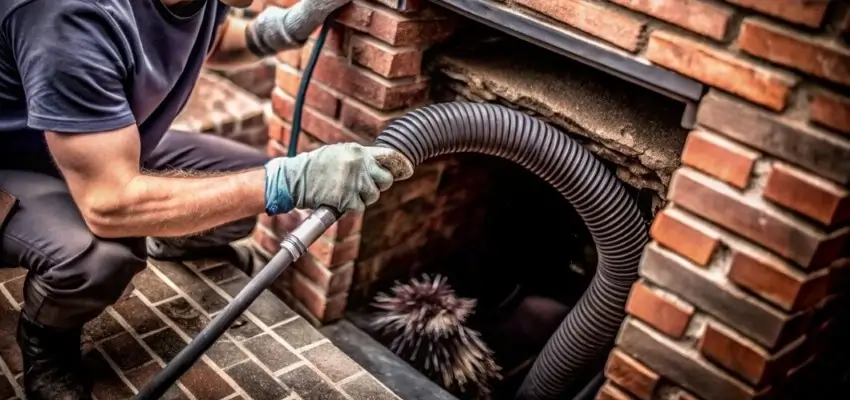
Less smoky smell, steadier flames: Chimney Cleaning around New Westminster
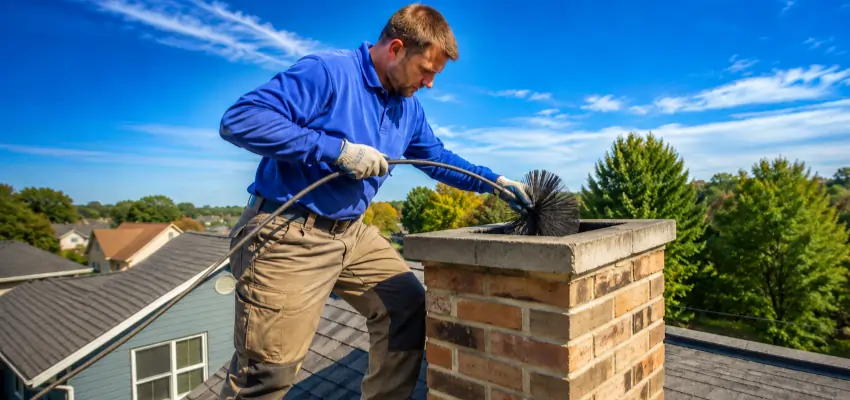
Your New Westminster fireplace, swept and checked: Chimney Sweep
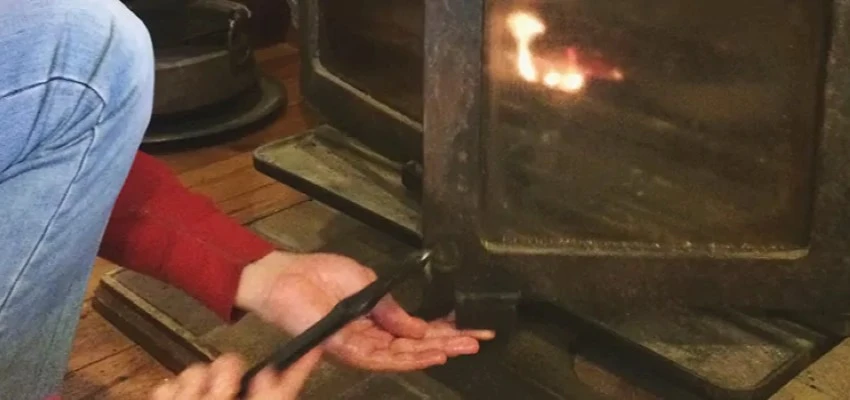
Swept and checked: Chimney Sweep Services in New Westminster
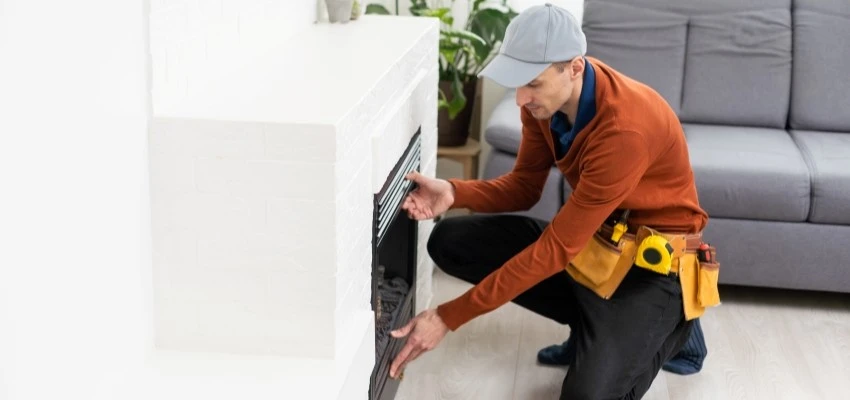
Wood units, stoves and inserts: Fireplace Experts serving New Westminster
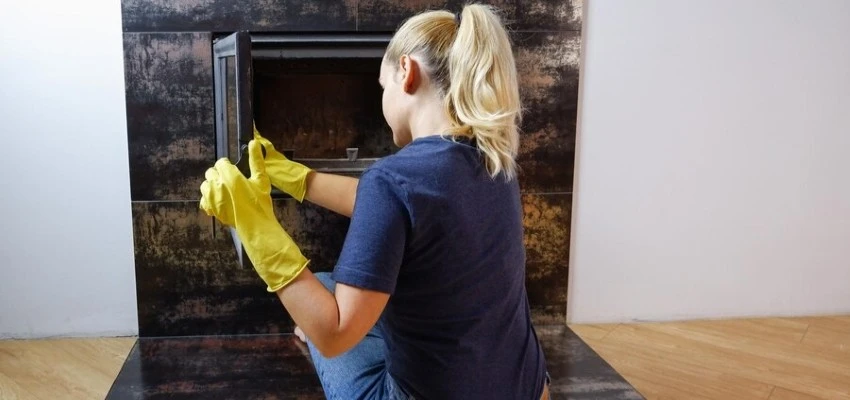
Fireplace smell at startup? Gas Fireplace Cleaning in New Westminster
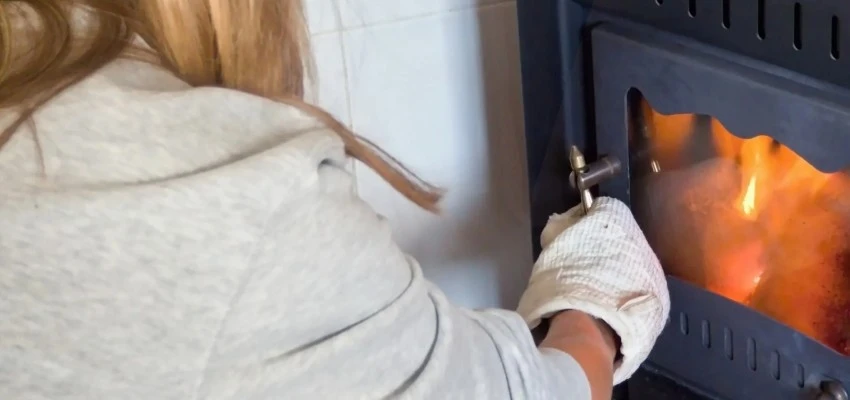
Slow to light? Gas Fireplace Maintenance near New Westminster

