
Booking is simple. Send your name, number and a short message, and someone will get back to you about Chimney Ash Dump Services New Westminster
Older brick chimneys and newer factory-built ones wear out in different ways, yet the questions owners ask about them are surprisingly alike. How bad is it? Can it be fixed instead of replaced? Is the fireplace safe to use in the meantime? This page answers those questions for people in New Westminster researching “chimney ash dump services”, with plain detail on ash dump service and the factors that change the plan from one house to the next.

A chimney’s parts fall into three groups: the weatherproofing outside, the flue liner inside and the working parts at the bottom. Weatherproofing means the cap, the crown, the flashing and the face of the bricks and mortar. The liner is the channel that handles heat and corrosive exhaust. Down at hearth level are the pieces people actually touch, such as the damper handle, the firebox walls and the ash dump door. On a prefab system, a framed chase and its sheet metal top replace the brick. When we diagnose a problem, we trace it to one of these groups first, because that decides what the fix looks like.
Water in an ash pit usually means the chimney above is letting rain in, often through a missing cap, a cracked crown or failing flashing, and the moisture can rust the doors and turn the ash heavy and sour-smelling. Droppings, nesting material or scratching sounds suggest a cleanout door that no longer closes tightly or a gap in the masonry near the ground. Either finding is a reason to look beyond the pit itself. During ash dump service, the technician should trace the source, not just shovel out the mess, so the problem does not return within a season.
Yes, in most fireplaces. Ash dump doors come in several common sizes, usually cast iron, and many have a pivoting lid that sits in a frame set into the firebox floor. If only the lid is missing or bent, a matching lid can often drop into the existing frame. If the frame itself is cracked or loose, it is chipped out and a new one is set in refractory mortar. The cleanout door at the bottom of the pit can be replaced the same way. Homeowners searching for “chimney ash dump services” can speed things up by measuring the opening or sending a photo.
We run repairs in a set order: confirm, protect, fix, test, explain. Confirming means checking the chimney ourselves rather than relying only on the phone description, because the cause of a leak or a stuck part is not always where it seems. Protecting covers drop cloths inside and care around shrubs and shingles outside. The repair itself depends on the part involved. Testing might mean running water over new flashing, cycling a damper several times or checking draft with a little smoke. We finish by walking you through what we did and showing photos of areas you cannot see from the ground.
We suggest once a year for most chimneys, with extra visits after anything unusual. A yearly look from the roof and up the flue shows us how earlier repairs are holding and whether anything new has appeared. Events that justify an extra check include a strong windstorm, hail, a lightning strike nearby, a roofer working around the chimney and any time an appliance is added or swapped. A chimney you never use is not exempt; some of the worst weather damage we find is on chimneys nobody has looked at in years, simply because no one noticed the warning signs inside.

Mention what the chimney is made of, what it serves and what you have noticed, because a few details on the phone save a lot of time on the roof. We ask which appliances use the flue, how many stories the house has and how steep the roof is. We ask what you have seen: a stain, debris in the firebox, a stuck handle, a rattling cap, smoke in the room. We ask when it started and whether a roofer or another contractor worked nearby recently. Two quick phone snapshots, one of the chimney top from the yard and one of the problem area inside, often tell us which parts and ladders to bring on the first trip.
After a repair, the main job is to watch for changes and keep water and debris away from the chimney. Follow any instructions about when the fireplace can be used again, since new mortar or crown material may need time to cure. In the first few rains, check the ceiling and walls near the chimney for stains and look in the firebox for water or debris. Keep tree branches trimmed back from the chimney top and the gutters near it clear. Book a yearly inspection so small wear is caught early, and file the paperwork from the repair for future reference.
Choose a chimney repair company that inspects before it quotes, explains the cause of the problem and shows you evidence such as photos. A good company will tell you what it plans to fix, what materials it will use and what the work will not cover. Ask whether its own crew does the work, how it protects your home and roof and how it handles hidden damage found mid-job. Read recent reviews for comments about communication and clean-up. Be cautious about anyone who wants a large rebuild without showing why, or who only offers to coat everything with sealant.
A few direct questions reveal a lot about a chimney repair contractor:
Clear, specific answers are a good sign. If the replies stay vague or the price changes without explanation, it is reasonable to get another opinion before agreeing to the work.

That is a common place to start. A short conversation usually sorts out what kind of visit makes sense, from a focused check to a full service. Reach Chimney Sweep New Westminster at (778) 488-0837 and we will give you a straight answer for your home in New Westminster.
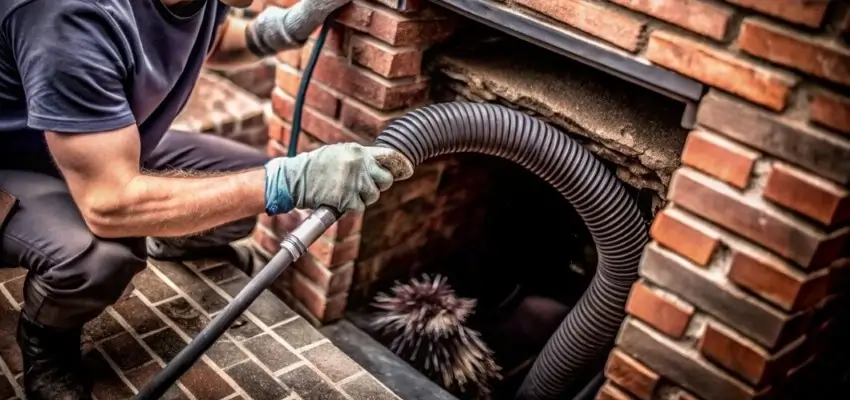
Less smoky smell, steadier flames: Chimney Cleaning around New Westminster
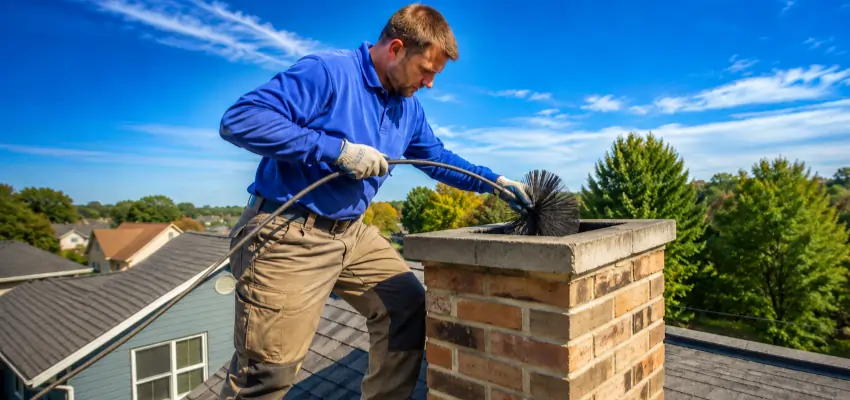
Your New Westminster fireplace, swept and checked: Chimney Sweep
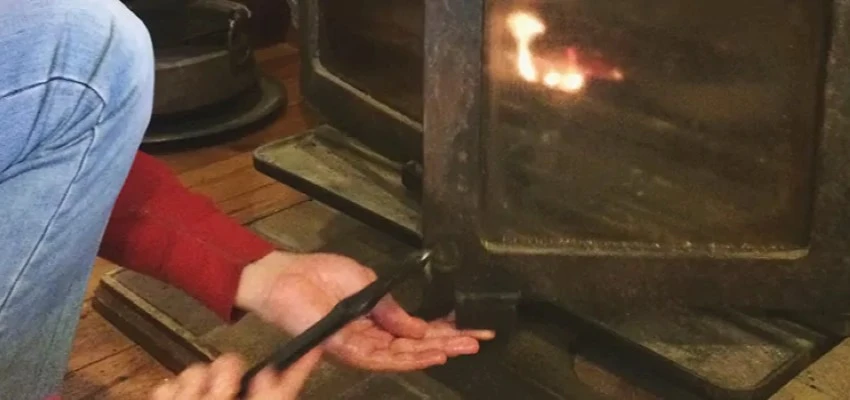
Swept and checked: Chimney Sweep Services in New Westminster
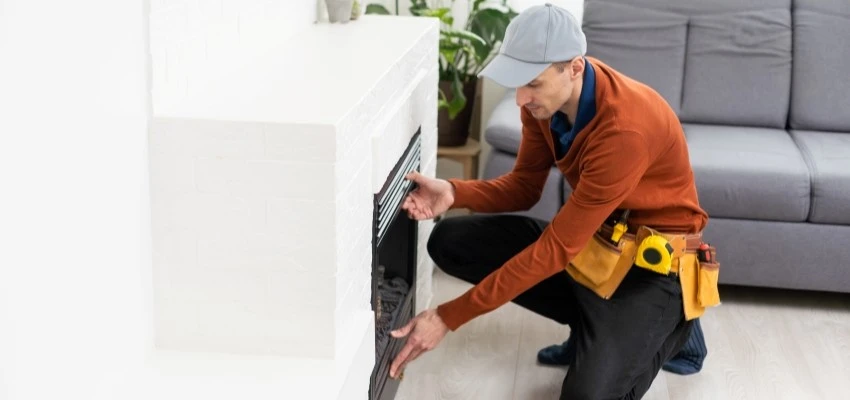
Wood units, stoves and inserts: Fireplace Experts serving New Westminster
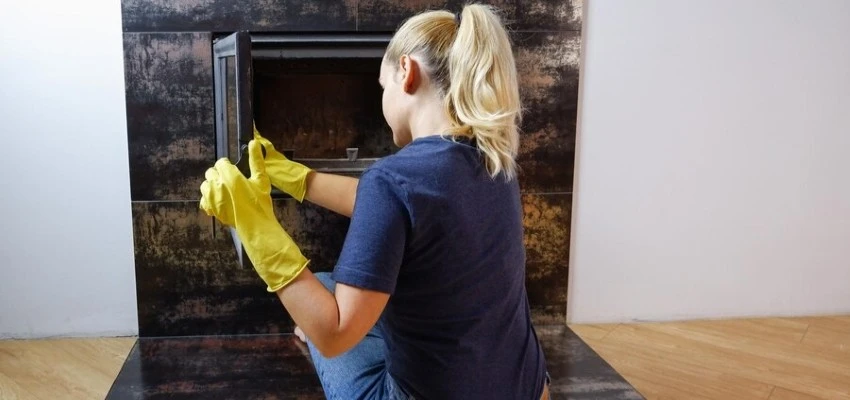
Fireplace smell at startup? Gas Fireplace Cleaning in New Westminster
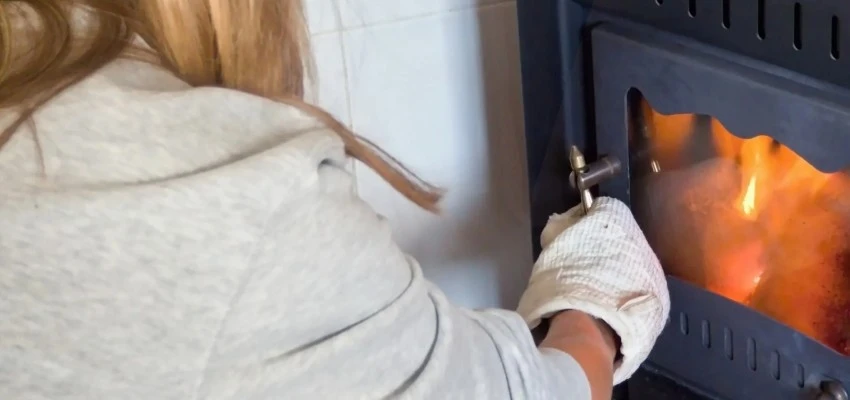
Slow to light? Gas Fireplace Maintenance near New Westminster

