
Booking is simple. Send your name, number and a short message, and someone will get back to you about Chimney Animal Removal New Westminster
A chimney does its work out of sight, carrying smoke and combustion gases up and away while most of its inner surfaces stay hidden behind brick, metal or drywall. That is why so many questions come up once someone starts looking into “chimney animal removal”. Below, you will find direct answers about chimney wildlife removal for properties in New Westminster, written by people who spend their days on roofs and at hearths. There is no jargon here and no pressure, just the practical side of the job.

Birds, squirrels and raccoons account for most chimney visitors, with bats and the occasional opossum showing up now and then. Birds treat an open flue like a hollow tree and build nests on ledges or the smoke shelf. Squirrels often fall in while exploring the roof and cannot climb back up a smooth liner. Raccoons are strong climbers and pick chimneys as dry, quiet dens for raising their young. Each animal needs a different approach, which is why companies that handle “chimney animal removal” usually ask what you hear, when you hear it and where the sound seems to come from.
Soot and creosote are different deposits: soot is a dry, powdery carbon dust, while creosote is a tarry residue from wood smoke that can be flaky, sticky or glassy. Soot comes from incomplete burning and can be left by wood, oil or a gas appliance that is not running cleanly. It is lighter and brushes away easily, but it still narrows the flue and can hold moisture and odors. Creosote is the bigger fire concern because of its oily base. Seen from the firebox, soot looks like fine black powder, while creosote looks crusty, shiny or tar-like. A technician adjusts the cleaning to match.
Gas leaves far less buildup than wood, so a chimney serving only gas needs much less cleaning, but it still needs a regular check. Creosote is rarely the issue. The risks are different: nests, leaves and fallen debris can block the opening, and the water vapor in gas exhaust can wear down masonry and old liners over time. A blocked or damaged flue can push carbon monoxide back indoors, so keep working CO alarms on every level. Leave burners, valves and pilots to a qualified gas technician, and if you ever smell gas, leave the building and call your gas utility from outside.
Smoke comes back into the room when the chimney cannot pull it upward fast enough, and the usual causes are a cold flue, a partly closed damper or a house that is short of air. Make sure the damper is fully open and start with a small, hot kindling fire so the flue warms gradually. Kitchen and bathroom fans can draw air down the chimney, so switch them off and open a nearby window slightly. Wet wood produces heavy smoke too. If smoke still spills in after those changes, a blockage or a problem with the chimney itself needs a professional look.
The cost of getting an animal out of a chimney depends mostly on what the animal is, how many visits it takes and what has to be repaired or added afterward. A single trapped bird or squirrel can often be handled in one trip, while a raccoon family or nesting birds may need a one-way door, return visits or a wait before the nest can come out. Clearing a large nest, sweeping the flue and deodorizing add time. A new cap or damper repair is usually priced separately. Ask for a written quote that separates removal, cleanup and parts so you can see where the cost comes from.

A chimney quote is mostly time, access and materials, in that order. A single-story house with a gentle roof pitch and one lightly coated flue is quick. A three-story chimney, a slate or tile roof that needs extra care, or a cluster of flues on an apartment building calls for more equipment and more hands. Condition matters too: a flue we can brush in one pass costs less than one that needs rotary tools or several trips. Parts such as caps, dampers or liner sections are separate from labor. We would rather explain those factors up front than surprise anyone later.
Spring is nesting season, so many animals start looking for safe, sheltered spots just as fireplaces go quiet. Raccoon mothers search for dens before giving birth, birds return and begin building, and squirrels raise their first litters. An uncapped chimney that has sat unused for a few weeks looks ideal to all of them. That timing makes late winter a smart moment to check that your cap is intact and fastened. If you already hear activity, booking chimney wildlife removal early in the season gives you more options than holding off until the young are larger and louder.
Some owners do sweep their own chimneys, but we see enough DIY mishaps to suggest leaving the flue to a professional. Wire brushes can scratch stainless steel liners, and rods pushed from below without a vacuum spread soot through the room. Falls from roofs are a real risk. Sweeping logs can make loose creosote flakier so it drops more easily, which helps between visits, yet the debris still has to come out and the flue still needs a look. The parts we encourage owners to handle are good burning habits and visual checks; cleaning and inspecting are where trained eyes and proper tools pay off.
The smell lingers because the source is rarely just the animal; it is everything the animal left soaked into porous masonry. When we clean up after wildlife, we bag out the nest, scrape the smoke shelf and damper, sweep the full flue and look with a camera for anything wedged at tile joints. On brick that has absorbed a lot, we apply an enzyme-based or chimney-specific deodorizer and leave the damper closed while it works. Most odors fade noticeably after that. If one returns on muggy days, there is usually a pocket of material we have not reached yet, and a second look finds it.

You can contact us just to ask whether a visit makes sense. If the answer is no, we will say so. If it is yes, we will explain why. Reach Chimney Sweep New Westminster at (778) 488-0837 for an honest opinion about your chimney.
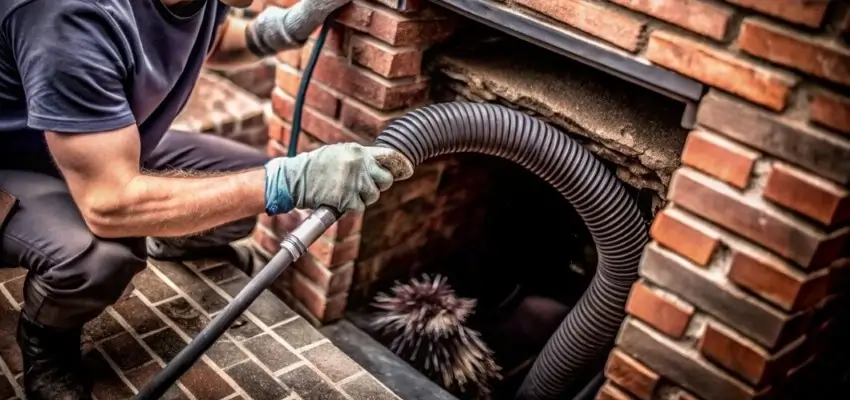
Less smoky smell, steadier flames: Chimney Cleaning around New Westminster
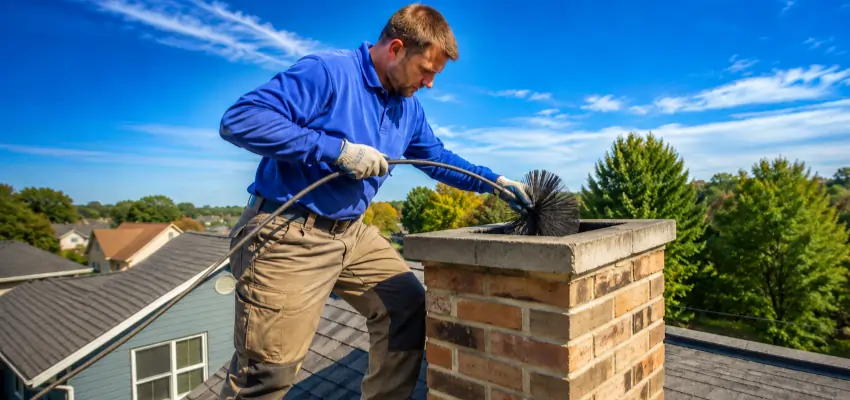
Your New Westminster fireplace, swept and checked: Chimney Sweep
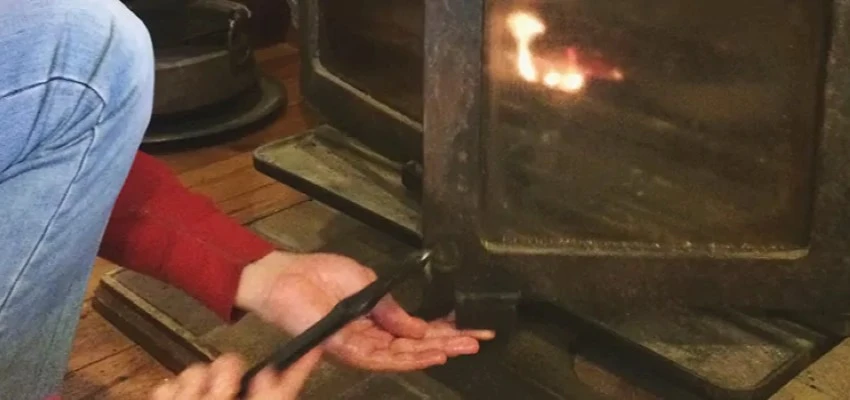
Swept and checked: Chimney Sweep Services in New Westminster
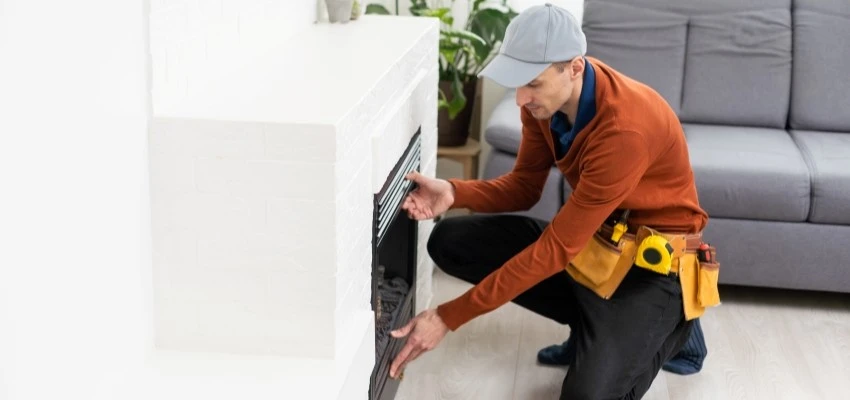
Wood units, stoves and inserts: Fireplace Experts serving New Westminster
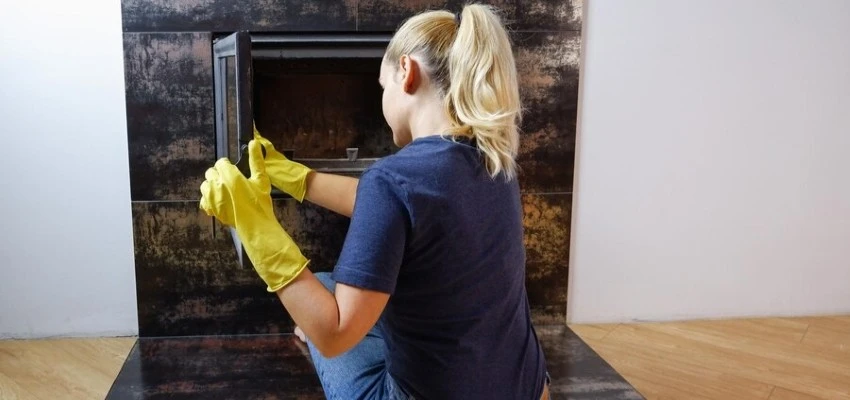
Fireplace smell at startup? Gas Fireplace Cleaning in New Westminster
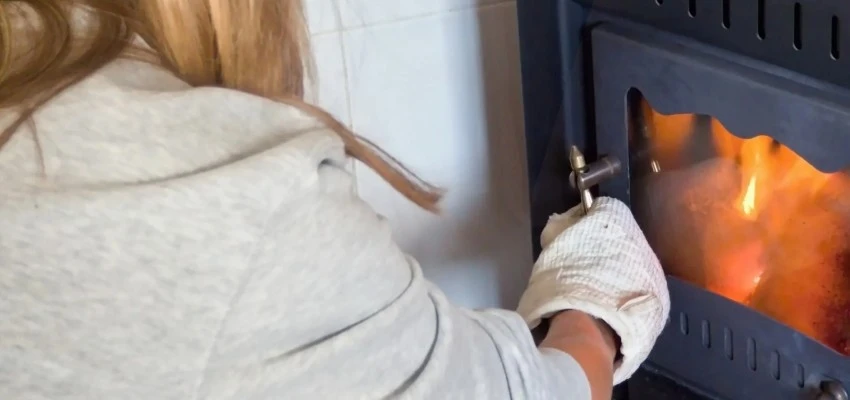
Slow to light? Gas Fireplace Maintenance near New Westminster

